
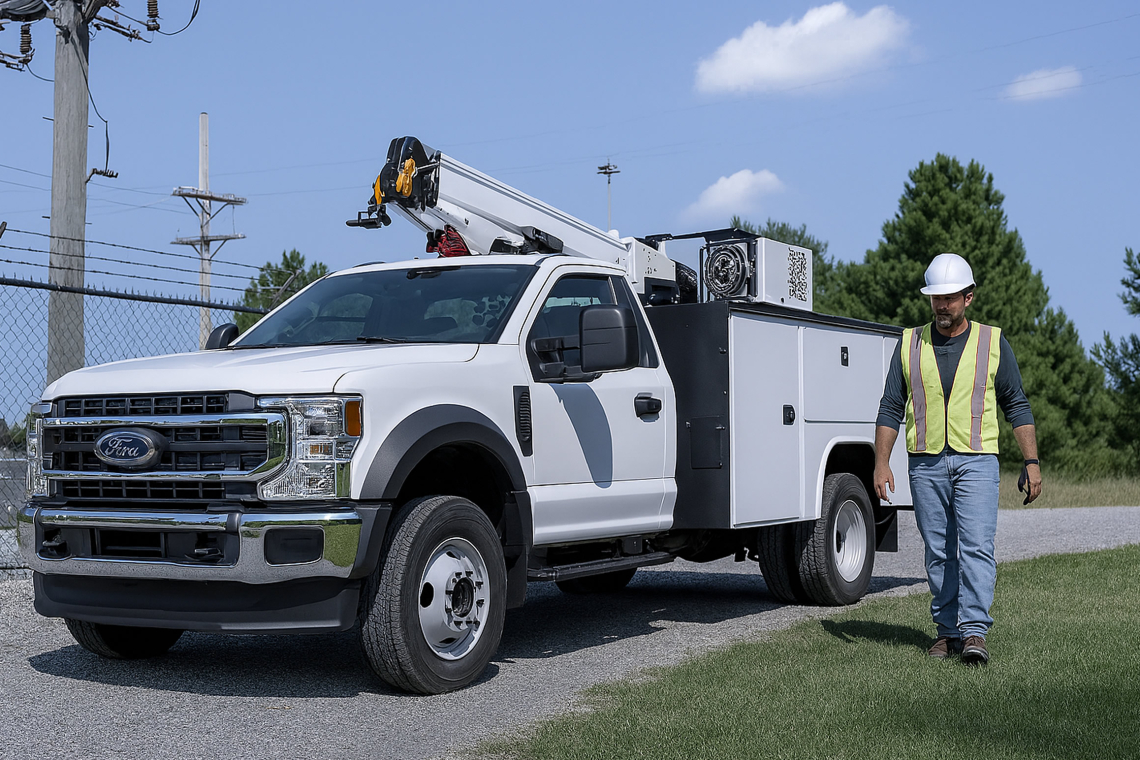
DETROIT — Ford Motor is rolling out a new artificial intelligence platform for its Ford Pro commercial vehicle division as part of a broader effort to boost profitability and expand software-driven revenue.
The automaker announced Tuesday that the new system, called Ford Pro AI, is capable of monitoring and analyzing more than one billion data points per day from connected commercial vehicles. These data points span a wide range of operational metrics, including seatbelt usage, vehicle condition, route efficiency, and fuel consumption.
According to Ford, the initiative is designed to provide its 840,000 paid commercial customers with advanced insights that help improve operational efficiency, increase profitability, and minimize vehicle downtime. The company reported that its Pro subscriber base grew by 30% last year, reflecting rising demand for connected fleet services.
“Helping customers maximize vehicle uptime, boost productivity, and reduce operating costs isn’t just good for business—it’s critical,” said Kevin Dunbar, general manager of Ford Pro Intelligence, during a media briefing. “Our team is focused on shaping the future of fleet operations.”
Ford Pro’s operations include vehicle sales and services for commercial fleets, government agencies, and rental companies, along with the company’s Super Duty large truck lineup.
Last month, Ford CEO Jim Farley emphasized that diversifying Ford Pro’s revenue streams—particularly through software offerings—is a key growth priority. He noted that software and physical services such as mobile maintenance are approaching 20% of Pro’s total earnings, underscoring their growing importance to the business.
The new AI capability will be bundled with Ford’s telematics subscriptions, which have played a central role in expanding and diversifying revenue. In 2025, Ford Pro reported $66 billion in revenue and $6.8 billion in earnings, delivering a 10.3% profit margin.
At launch, Ford Pro AI will operate in a prompted, read‑only mode, though Ford plans to enhance its functionality over time based on customer needs, Dunbar said. The platform is built on Google Cloud infrastructure and leverages Ford’s proprietary vehicle and fleet data.
Found this article interesting? Follow us on X(Twitter) ,Threads and FaceBook to read more exclusive content we post.
